Marble and Wood: Creating Visual Balance
How to pair cool marble surfaces with warm wood tones without overwhelming your space. Includes practical color matching techniques.
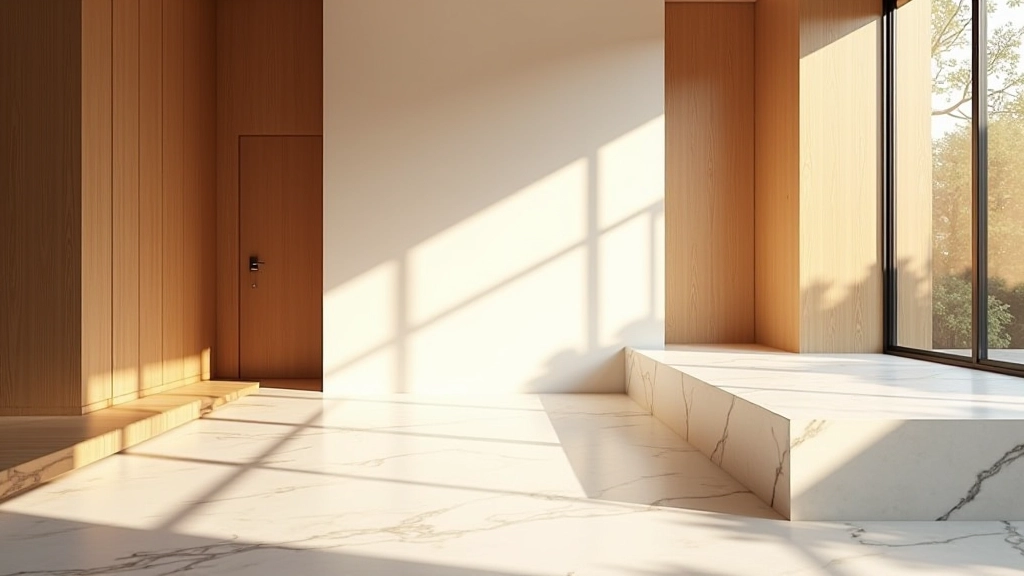
Marble and wood are two of the most versatile materials you can work with in a renovation. One's cool and polished, the other's warm and organic. When you combine them thoughtfully, you get something genuinely special — a space that feels both sophisticated and livable.
But here's the thing: it's not automatic. Get the proportions wrong and your room either feels cold or chaotic. We've worked with hundreds of homeowners in Mong Kok to get this balance right, and the approach is pretty straightforward once you know what to look for.
Understanding the Visual Contrast
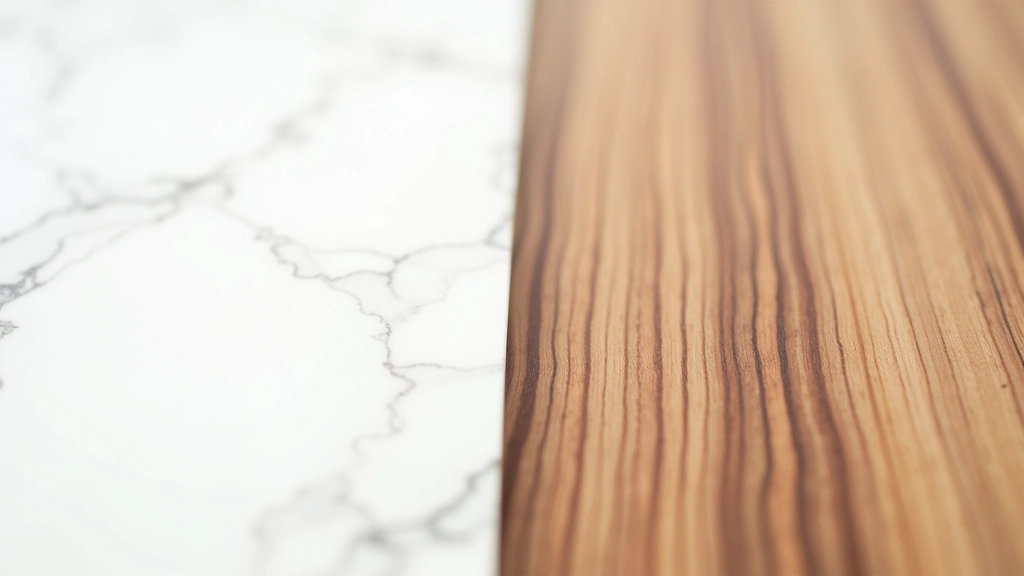
Marble and wood naturally oppose each other in tone and texture. Marble — especially white, gray, or black varieties — reads as cool and formal. It's reflective, smooth, and suggests luxury. Wood, whether it's light oak, rich walnut, or warm teak, brings human warmth. It's organic. It's tactile. That contrast is what makes the pairing interesting.
The problem happens when you treat them as equals in your space. If you use 50% marble and 50% wood, you create visual tension instead of balance. Your eye doesn't know where to rest. Instead, you want one to lead and the other to support.
Most successful rooms we've designed use a 70/30 or 60/40 split. The dominant material anchors the space. The secondary material adds character and warmth without overwhelming the overall feeling.
About This Guide
This article provides educational information about material pairing and selection principles. Individual results depend on your specific space, lighting conditions, existing finishes, and personal preferences. We recommend consulting with a material specialist or interior designer before making final decisions for your renovation. Every room has unique characteristics that may affect how these principles apply.
The Color Matching Framework
Here's where most people struggle: they pick marble first, then try to find wood that matches. This usually fails. Instead, think about the warmth and undertones you want in your final space, then select both materials to support that goal.
Start with your dominant material. If marble's leading (kitchen countertops, bathroom vanity, floors), choose a marble that already hints at warmth. White marble with subtle gray veining reads differently than stark white. Calacatta marble has golden undertones. Statuario feels cooler and more formal. Your marble choice should reflect your overall temperature preference.
Once you've locked down your marble, wood becomes easier. You're not matching it directly — you're complementing it. Warm marble (creamy whites, soft grays) pairs beautifully with medium-toned woods like light walnut or natural cherry. Cool marble (true whites, deep blacks) works better with either very light woods (ash, blonde oak) or very dark woods (ebony, wenge) — avoid middle tones that create visual confusion.
Getting the Proportions Right
Think of your space as having different zones. Your kitchen might have a marble countertop (40% of visual area) and wood cabinetry (35%), plus backsplash and flooring. How you distribute marble and wood across these zones determines whether the room feels balanced.
The 70/30 Rule
Make one material dominant — typically 65-75% of your major surfaces. The secondary material (25-35%) provides contrast and warmth. This creates visual hierarchy without monotony.
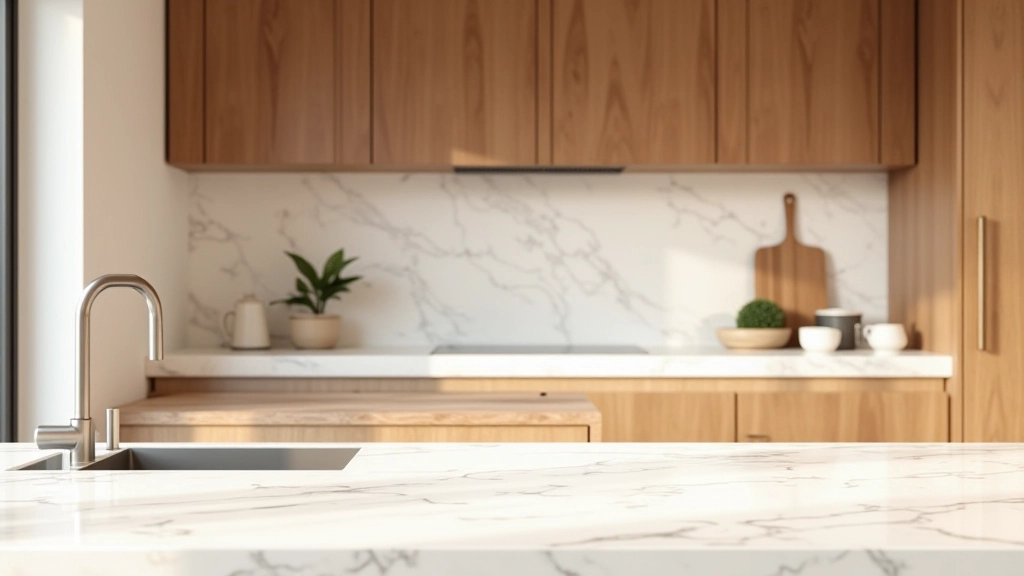
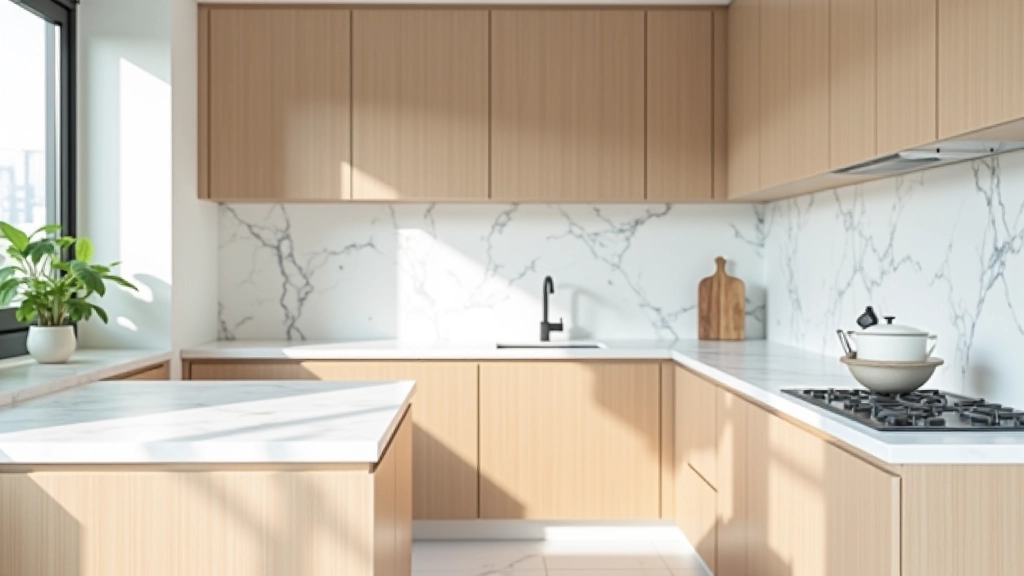
In a kitchen, this might mean marble countertops and backsplash (marble-dominant) paired with wood cabinetry and open shelving (wood accents). The marble is cool, formal, and easy to clean. The wood humanizes the space and adds a layer of sophistication.
In a living room or bedroom, you might flip it: wood flooring and built-ins (dominant) with marble accent pieces — a fireplace surround, a side table, a console top. The wood sets the warm, welcoming tone. Marble adds unexpected elegance.
Handling Transitions Between Materials
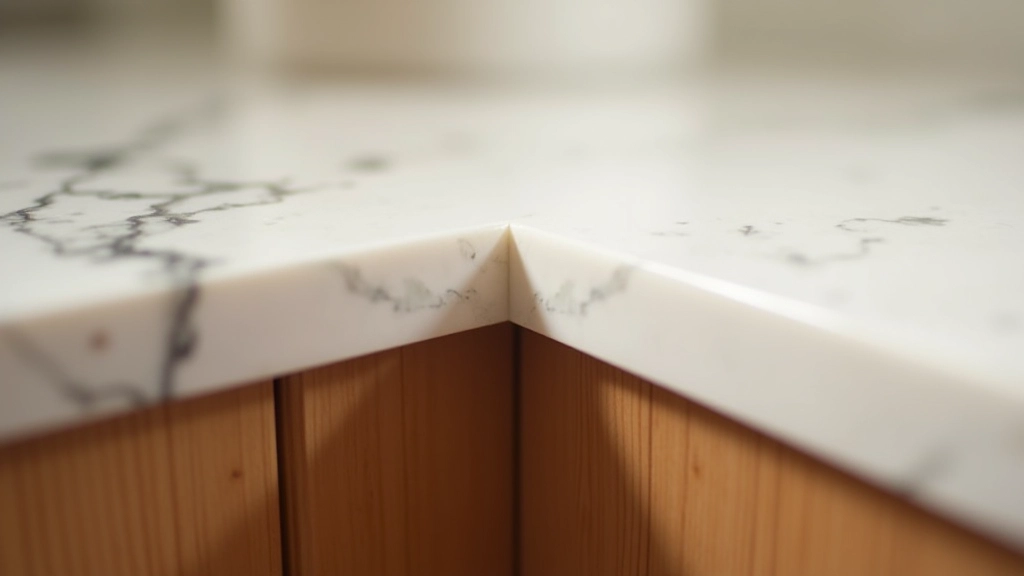
Where marble meets wood is critical. A sloppy transition kills the whole effect. You've got a few clean approaches that work well.
The simplest: create a clear boundary. A metal edge profile (stainless steel, brass, or powder-coated aluminum) between marble countertop and wood base feels intentional and modern. It's honest about the material change. Most designers we work with use 10-15mm profiles — visible enough to feel like a design choice, not thick enough to dominate.
Another option: butted joint with a small reveal. No metal strip, but you leave a 2-3mm gap between materials. Seal it properly and it reads as a conscious design move rather than a construction gap. This feels slightly more organic, especially in transitional or traditional spaces.
Avoid trying to hide the transition. No wood-colored marble or marble-patterned laminates. That visual dishonesty makes rooms feel cheap. Embrace the contrast — that's where the design power lives.
How Lighting Changes Everything
Here's something most people don't consider until it's too late: light transforms how marble and wood look together. The same marble can read cool and sterile in harsh fluorescent light, or warm and sophisticated under warm LEDs.
If your space has good natural light — south or west-facing windows — cool marble actually works better. The daylight keeps it from feeling cold. If you're in a space with limited natural light (north-facing, interior rooms), you need warmer marble tones or more wood warmth to compensate.
For artificial light, aim for 2700K color temperature (warm white). This flatters both marble and wood. It brings out the warmth in wood grain and makes marble feel less institutional. If you're stuck with existing fixtures, adding warm-toned lighting is often cheaper than changing your material palette.
Practical Maintenance Considerations
Marble and wood have different care needs, and that affects your design decisions. Marble's porous and needs regular sealing — it stains if you leave liquid sitting on it. Wood needs protection from moisture and direct water exposure. These aren't deal-breakers, but they shape where you put each material.
Marble Best For:
- Countertops (with care and sealing)
- Bathroom vanities and surrounds
- Accent pieces and feature walls
- Flooring in low-traffic areas
Wood Best For:
- Cabinetry and built-ins
- Flooring (most rooms)
- Shelving and trim
- Warm accent walls and cladding
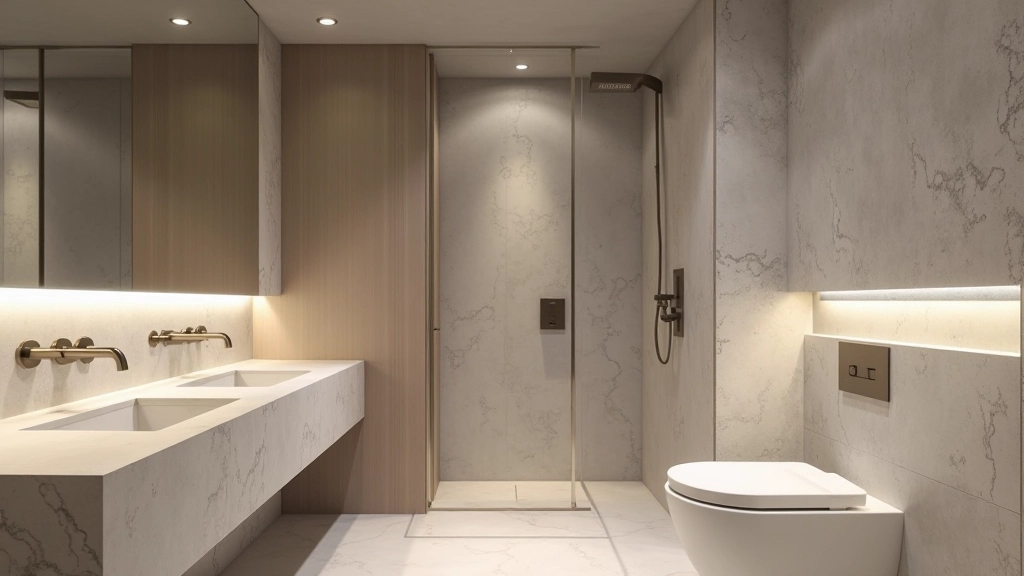
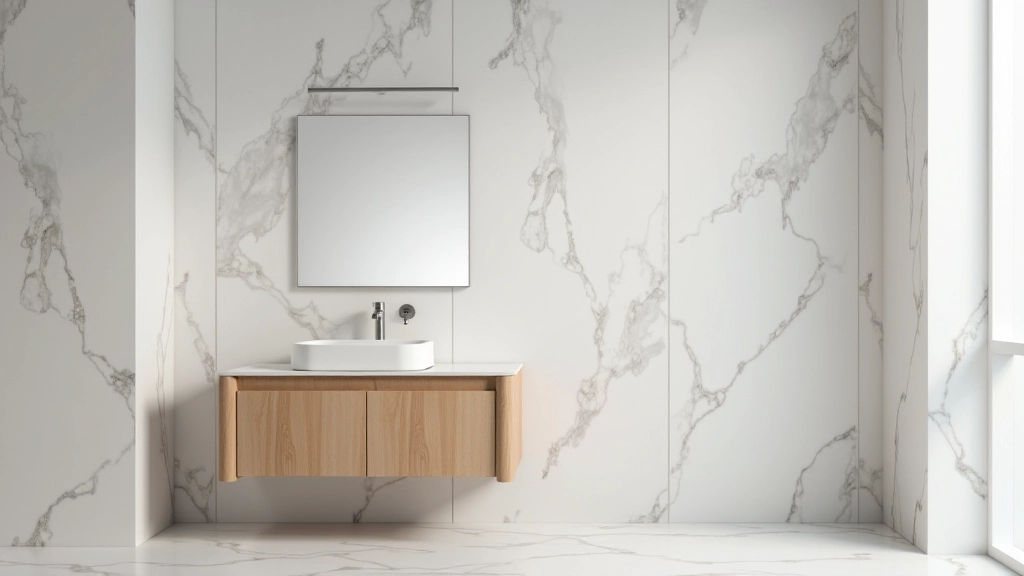
In kitchens, we typically put marble where it's beautiful (countertops, backsplash) and seal it religiously. Wood goes on cabinets and lower cabinetry where moisture risk is lower. In bathrooms, you can reverse it — marble walls and floors with wood vanity bases. The key is matching material durability to location.
Creating Your Perfect Balance
The marble and wood pairing isn't complicated once you stop trying to make them match. They're supposed to contrast. Your job is deciding which one leads and letting the other support it.
Start with your dominant material. Choose one that reflects the overall warmth and feeling you want. Then pick your secondary material to complement — not match — that choice. Keep your ratio around 70/30, handle transitions with intention, and light the space properly. You'll end up with a room that feels intentional, sophisticated, and genuinely livable.
If you're working on a renovation in Mong Kok or anywhere else, these principles work regardless of your specific style or budget level. The visual balance is what matters. That's what makes a space feel like it was designed thoughtfully rather than assembled from available materials.